Home & Living
How to Get Rid of Pet Odor in Your House (and Keep It Fresh)
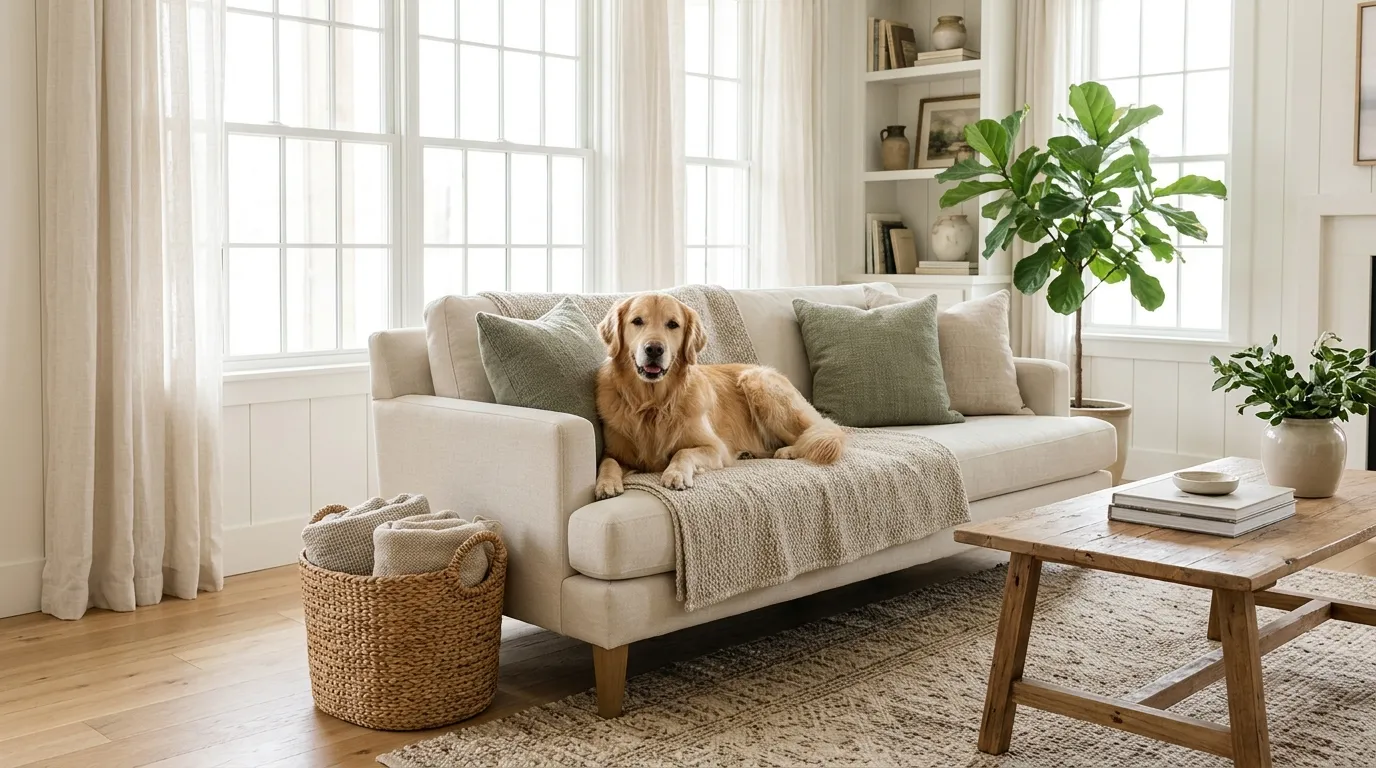
You love sharing your home with your pets, but that doesn't mean you want your entire house to smell like them. Pet odors can settle into carpets, furniture, bedding, and other soft surfaces. Before long, you may notice the smell as soon as you walk through the door.
The good news? A fresh-smelling home doesn't require constant cleaning or a house full of air fresheners. It starts with finding the source of the odor, cleaning it properly, and developing a few simple habits that keep smells from building up.
Whether you're dealing with dog odors, cat litter smells, or an accident on the living room rug, here's how to get rid of pet odor in your house and keep your home feeling clean, comfortable, and welcoming.
Where Do Pet Odors Come From?
Before reaching for a cleaning spray, take a moment to identify what's causing the smell. Pet odors often develop in places that collect hair, body oils, moisture, and everyday dirt.
Common sources include:
- Pet beds and blankets: Oils, dander, saliva, and moisture can build up in your pet's favorite resting spots.
- Carpets, rugs, and upholstery: Soft fibers can trap hair and absorb odors from accidents.
- Litter boxes and pet waste: Waste that isn't removed promptly can create persistent smells.
- Food bowls and feeding areas: Leftover food, spills, and damp feeding mats can develop unpleasant odors.
- Toys, collars, and crates: Items used daily can collect dirt, saliva, and moisture.
- Damp floors and hidden corners: Spills, accidents, and areas beneath furniture may go unnoticed.
The key is to remove the source rather than cover it up. A scented spray may temporarily change how a room smells, but the odor is likely to return if the underlying problem remains.
Quick Fix: 5 Steps to Get Pet Odor Out of Your House
Short on time? Start with these five tasks to freshen up your home.
- Wash pet bedding and blankets. Follow the care instructions and dry everything thoroughly.
- Vacuum soft surfaces. Focus on carpets, rugs, furniture, and your pet's favorite spots.
- Clean up accidents. Use an enzymatic cleaner appropriate for the affected surface.
- Freshen pet areas. Scoop litter, remove waste, and wash food bowls and feeding mats.
- Improve ventilation. Open windows when conditions allow or use an air purifier suited to your room.
These steps address many everyday pet odors. For persistent smells, you'll need to identify exactly where the odor is coming from and treat that area more thoroughly.
How to Remove Pet Odor From Carpet and Upholstery
Carpets, rugs, and upholstered furniture can hold onto pet odors long after a mess appears to be cleaned up. The right approach depends on the material and the type of accident.
1. Blot fresh accidents instead of rubbing
Use a clean cloth or paper towels to absorb as much liquid as possible. Press gently and replace the cloth as it becomes wet.
Avoid rubbing the spot, which can spread the mess and push it deeper into the fibers.
2. Use an enzymatic cleaner
Enzymatic cleaners are designed to break down organic residues associated with pet messes. Choose a product labeled for the type of mess and the surface you're treating.
Follow the directions carefully, including the recommended application amount and contact time. Test the product on a hidden area first, particularly if you're cleaning delicate or dyed fabric.
3. Allow the area to dry completely
Moisture trapped in carpet, cushions, or padding can contribute to lingering smells. Provide good airflow and allow the area to dry thoroughly before letting your pet return to it.
4. Clean hard floors appropriately
For tile, sealed flooring, and other washable hard surfaces, remove the mess promptly and use a cleaner approved for that particular floor.
Wood and laminate need extra care because excess moisture can damage seams, finishes, or the underlying material. Avoid soaking these surfaces, and check the flooring manufacturer's cleaning recommendations.
5. Investigate odors that keep returning
If the smell disappears and then comes back, urine or another mess may have reached the carpet padding, cushion filling, or subfloor.
Repeated surface cleaning may not solve a problem that's deeper than the visible stain. You may need specialized treatment, professional cleaning, or replacement of damaged padding or flooring.
Avoid steam cleaning urine-contaminated carpet unless the product and carpet-care instructions specifically support that method. Heat can make some lingering stains and odors harder to remove.
8 Ways to Keep Your Home Smelling Fresh With Pets
Once you've tackled the main sources of odor, a few regular habits can make a noticeable difference.
1. Wash pet bedding and blankets regularly
Pet beds, washable throws, cushion covers, and blankets collect dirt, oils, and hair over time.
Wash these items according to their care labels, using a suitable detergent, and dry them completely before putting them back. If your pet has a favorite spot on the sofa, a washable throw can protect the upholstery and simplify laundry day.
How often you wash bedding depends on how much time your pet spends on it, whether they get dirty outdoors, and whether they have skin or other health concerns.
2. Vacuum carpets, rugs, and furniture frequently
Hair and dander can contribute to a stale smell even when a room looks clean.
Pay particular attention to:
- Rugs and carpeted areas
- Upholstered chairs and sofas
- Corners, baseboards, and areas beneath furniture
- Pet beds and favorite resting places
- Car interiors and floor mats
A vacuum designed to handle pet hair can make the job easier. Use the appropriate attachment for upholstery and follow the manufacturer's instructions for your flooring.
3. Clean up pet accidents promptly
Quick cleanup helps prevent odors from settling into flooring and furniture.
Blot fresh messes, apply a suitable cleaner according to its label, and allow the area to dry completely. Keep pets away from treated areas until the product instructions say it is safe for them to return.
If an odor persists, investigate whether the mess has reached an absorbent layer underneath the surface.
Avoid mixing cleaning products. In particular, never mix bleach with ammonia or acidic cleaners, as dangerous gases can form.
4. Keep litter boxes and pet areas clean
For cat owners, litter box maintenance is one of the most important steps in controlling household odors.
Scoop the box at least daily, remove waste promptly, and replace the litter according to the product instructions. Wash the box periodically using a suitable cleaner, rinse it well, and dry it before adding fresh litter.
Place the box somewhere with reasonable ventilation where your cat can reach it comfortably. Keep food and water bowls away from the litter area.
Choosing litter for odor control
Different litter types offer different advantages:
- Clumping clay litter: Makes it easier to remove urine-soaked clumps during daily cleaning.
- Silica or crystal litter: Absorbs moisture and is often marketed for odor control.
- Plant-based litter: May be made from pine, corn, wheat, paper, or other materials.
The best choice depends on your cat's preferences, your cleaning routine, and any dust sensitivities. If you switch products, introduce the new litter gradually and monitor whether your cat continues using the box comfortably.
If litter odor remains unusually strong despite good cleaning habits, check whether the box needs more frequent attention and consider discussing changes in your cat's waste with your veterinarian.
5. Improve ventilation and consider an air purifier
Fresh air can help reduce stale indoor smells. Open windows when weather, outdoor air quality, and your household's needs allow. Exhaust fans can also help move air out of bathrooms, kitchens, and other suitable areas.
An air purifier may provide additional support, but choose the right type for the problem:
- HEPA filtration helps capture airborne particles, including pet dander.
- Activated carbon can help adsorb certain odors and gases.
For odor control, look for a purifier with a meaningful amount of activated carbon, an appropriate capacity for your room, and readily available replacement filters.
Avoid assuming that every air purifier removes odors equally well. Filtration helps manage airborne contaminants, but it won't remove urine from carpet padding or replace routine cleaning.
6. Groom your pets regularly
Your pet's coat can carry dirt, loose hair, and outdoor debris into the house.
Brush your pet according to its coat type and grooming needs. Wipe muddy paws after walks, wash collars and harnesses as appropriate, and clean toys that collect saliva or dirt.
Bathe your pet only as often as is appropriate for its species, coat, and skin. If you're unsure about bathing frequency or suitable products, ask your veterinarian or a qualified groomer.
A sudden, persistent, or unusually strong odor coming from your pet deserves attention. Skin irritation, ear problems, dental issues, and other conditions can sometimes contribute to unusual smells.
7. Be thoughtful about candles, sprays, and diffusers
Scented candles, room sprays, plug-in air fresheners, and diffusers can make a room smell different, but they don't replace cleaning.
Pet safety matters, too. Some fragrance ingredients and essential oils can be harmful to animals, depending on the product, concentration, exposure, and species. Birds are particularly sensitive to airborne irritants, while cats can be vulnerable to certain essential oils.
For a pet-friendly approach:
- Prioritize cleaning and ventilation over fragrance.
- Never apply concentrated essential oils to your pet.
- Keep fragrance products and cleaning supplies out of reach.
- Avoid exposing pets to strong scents or aerosolized oils.
- Consult your veterinarian if you're unsure whether a particular product is appropriate for your animals.
You don't need a heavily scented home to have a fresh one. Removing the source of an odor is usually the better starting point.
8. Create a simple daily freshness routine
You don't have to spend hours cleaning to keep pet odors under control. A few small tasks each day can prevent messes from accumulating.
Try this simple routine:
- Scoop litter boxes and remove pet waste.
- Wipe food and water spills.
- Check for accidents and clean them promptly.
- Shake out or wash pet blankets as needed.
- Give frequently used areas a quick tidy.
- Empty waste bins before odors build up.
Then set aside time each week for vacuuming, washing bedding, and cleaning toys, feeding areas, and crates.
Consistency matters more than perfection. A manageable routine is easier to maintain than waiting until the whole house needs attention.
How to Get Pet Odor Out of Your Car
If your dog or cat travels with you regularly, your car may develop its own collection of pet smells.
Start by removing blankets, toys, and other loose items. Wash anything that's machine washable according to its care label.
Vacuum the seats, floor mats, carpet, and crevices where hair collects. For accidents, use a cleaner appropriate for the upholstery or carpet, testing it in an inconspicuous area first.
A washable seat cover or hammock-style cover can protect your upholstery on future trips. Air out the vehicle when conditions allow, and avoid applying strong fragrances to cover up persistent odors.
If a smell remains after cleaning, inspect the areas beneath removable mats and covers. Deeply absorbed odors may require professional interior cleaning.
Common Pet Odor Mistakes to Avoid
A few well-intentioned cleaning habits can make odor problems harder to solve.
- Masking smells with heavy perfumes: Fragrance doesn't remove the source of an odor.
- Using the wrong cleaner: A product suitable for tile may damage wood, carpet, or upholstery.
- Skipping the label directions: Cleaners may need a particular amount of contact time to work properly.
- Mixing cleaning chemicals: Some combinations can produce dangerous fumes.
- Ignoring hidden areas: Padding, cushions, and spaces beneath furniture may hold the source of the smell.
- Overlooking pet safety: Fragrances, essential oils, and cleaning products may pose risks if used or stored improperly.
- Ignoring unusual odors from your pet: A persistent change in smell may warrant veterinary attention.
When to Call a Professional Cleaner or Your Vet
Sometimes routine cleaning isn't enough.
Contact a professional cleaner if urine or other messes have soaked into carpet padding, subflooring, or large areas of upholstery, or if odors keep returning despite appropriate treatment. In some cases, damaged materials may need to be repaired or replaced.
Contact your veterinarian if an unusual smell appears to come from your pet's ears, mouth, skin, or body, particularly if it develops suddenly or comes with itching, redness, discomfort, changes in appetite, or other symptoms.
A sudden change in the smell of your pet's urine or stool can also be worth discussing with your vet, especially if you notice other changes in their behavior or health.
Frequently Asked Questions
How do I get pet odor out of carpet?
Blot fresh messes, use an enzymatic cleaner labeled for your carpet and the type of accident, and follow the application instructions carefully. Let the area dry completely. If the odor returns, the carpet padding or another underlying layer may need attention.
What is the best way to get rid of pet odor in my house?
Start by finding the source. Wash pet bedding, vacuum carpets and upholstery, clean accidents properly, and maintain litter boxes and feeding areas. Ventilation and a suitable air purifier can provide additional help, but neither replaces cleaning the source.
What actually works for cat litter smell?
Daily scooping, regular litter replacement, and periodic cleaning of the litter box are the most useful starting points. Choose a litter your cat accepts, keep the box accessible, and ensure the area has reasonable ventilation.
Are air fresheners and candles safe around pets?
Not every product is appropriate for every pet. Safety depends on the ingredients, concentration, exposure, and animal species. Use caution with essential oils and strong fragrances, particularly around cats and birds, and consult your veterinarian about specific products.
Why does my house still smell like my dog even after cleaning?
The odor may be coming from dog bedding, upholstery, rugs, collars, toys, or other frequently used items that haven't been cleaned thoroughly. Hair and dander may also accumulate in corners and beneath furniture. If the smell persists, investigate less obvious areas and consider whether a professional cleaning is needed.
How often should I clean to keep my house smelling fresh with pets?
Remove waste and clean spills daily, vacuum according to how much hair and dirt your pets bring indoors, and wash bedding regularly. Deep-cleaning schedules depend on the number of pets, their habits, and your home's surfaces. A consistent routine is generally more effective than occasional intensive cleaning.
A Fresh Home Is Possible With Pets
Living with pets and enjoying a fresh-smelling home can absolutely go together. Regular laundry, vacuuming, ventilation, and prompt cleanup do most of the work. You don't have to change everything at once; start with one or two habits and build from there.
A fresh-smelling home isn't about eliminating every trace of your pets. It's about creating a space that feels clean, comfortable, and welcoming for everyone who lives there.
With a few practical routines and the right approach to cleaning, you can enjoy the companionship of your pets without letting lingering odors take over your home.